

Most people assume the thickest rubber roll is automatically the toughest one. That assumption costs money on projects where it isn’t even the right question to ask.
Thickness protects what’s underneath the rubber, not the rubber itself. Durability comes from density instead, and mixing up the two is exactly how large facilities end up overpaying for protection they didn’t actually need, or underbuying the durability they did.
The Misconception About Thickness
A thicker roll cushions the subfloor better against heavy impact, dropped weights, dragged equipment, that kind of shock. It doesn’t automatically mean the rubber itself will hold up longer under daily wear.
High-density rubber resists compression, abrasion, and repeated foot traffic significantly better than low-density rubber, regardless of how thick either one is. A thin, high-density roll can genuinely outlast a thick, low-density one in high-traffic areas. Getting this backwards is one of the most common, and most expensive, mistakes made when specifying flooring for a large commercial space.
Why Rolls Beat Tiles for Larger Spaces
Once a space gets large, format matters almost as much as material.
Rolls cover long, continuous stretches with far fewer seams than individual tiles or mats laid side by side. Fewer seams means fewer weak points where edges can lift, shift, or trap debris over time, and it means faster installation across a large floor, since crews aren’t aligning dozens of individual pieces one at a time. For gyms, warehouses, and large commercial floors specifically, that seam reduction isn’t a minor convenience. It’s often the difference between a floor that stays flat for years and one that starts curling at the edges within months.
Matching Thickness to Actual Use
Thickness still matters, just for a different reason than most people assume: what the floor needs to protect, not how long the surface itself will last.
Lighter activity, yoga, stretching, general foot traffic, holds up fine with 6 to 8mm rolls. Heavier use, dropped weights, gym equipment, high-traffic commercial areas, calls for 10 to 25mm, where the extra thickness cushions impact and protects the subfloor underneath rather than making the rubber itself more durable.
Canada Plastics
Canada Plastics built its reputation as an Acrylic Sheet Supplier, and that same materials expertise extends directly into how the rubber flooring line gets specified for large commercial spaces.
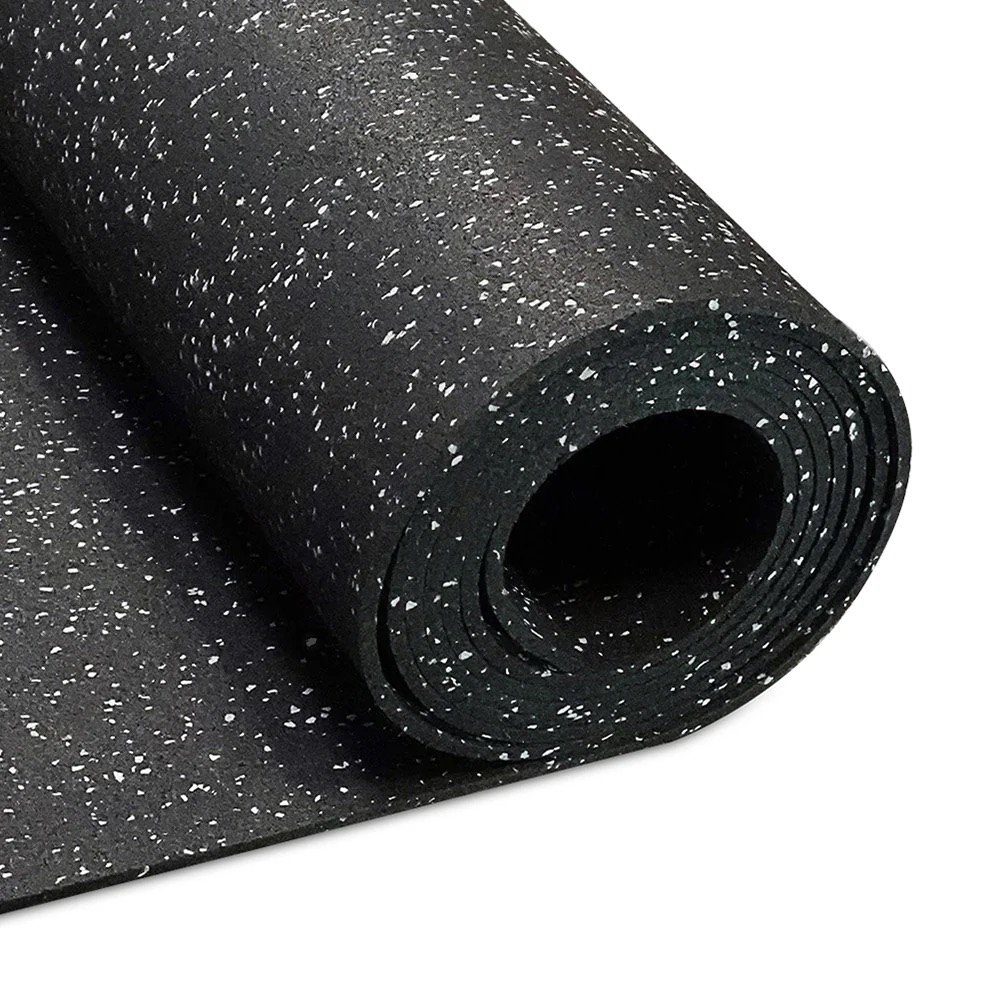
Available in thicknesses from 6mm up to 25mm, Canada Plastics‘ rubber rolls are made from recycled rubber content, giving facilities a durable, eco-friendly option without forcing a trade-off between sustainability and performance. For businesses already sourcing acrylic, polycarbonate, or aluminum composite materials from an established Acrylic Sheet Supplier, adding rubber flooring from the same source means one supplier handling multiple material categories on the same project, not a separate vendor search for every surface.
FAQ’s
Q1) Does a thicker rubber roll always mean better durability?
No. Thickness primarily protects the subfloor from impact. Density is what actually determines how long the rubber itself holds up.
Q2) Why are rubber rolls better than tiles for large spaces?
Rolls create fewer seams across a large floor, reducing weak points and speeding up installation compared to individual tiles.
Q3) What thickness of rubber roll is best for a home gym?
Generally 6-8mm for light to moderate use, with 10mm or more recommended for heavier equipment or frequent dropped weights.
Q4) Is recycled rubber flooring durable enough for commercial use?
Yes. High-density recycled rubber performs well in commercial and industrial settings, including gyms, arenas, and high-traffic public spaces.
Q5) Where can I source both rubber flooring and acrylic sheet materials in one place?
Canada Plastics, an established Acrylic Sheet Supplier, also supplies rubber roll flooring in multiple thicknesses for commercial and industrial spaces.
Conclusion
The thickest roll on the shelf isn’t automatically the best one for the job.
Match density to durability, thickness to actual use, and format to the size of the space, and the floor holds up exactly the way it’s supposed to.
That’s the whole difference between flooring that lasts and flooring that just looked sturdy in the showroom.