

Categories
Blog

Gym Rubber Flooring Cost in 2025: What You Need to Know


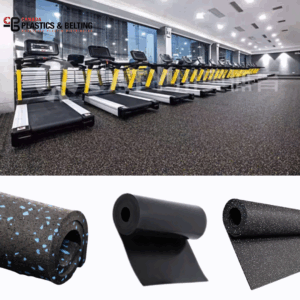
Price of gym rubber mattingWhen building a home gym, outfitting a fitness studio, or upgrading a commercial facility, how much does gym rubber flooring cost in 2025? As rubber flooring is one of the smartest investments you can make. It’s durable, slip-resistant, easy to maintain, and designed to withstand heavy weights and high traffic.

Average Cost of Rubber Gym Flooring in 2025

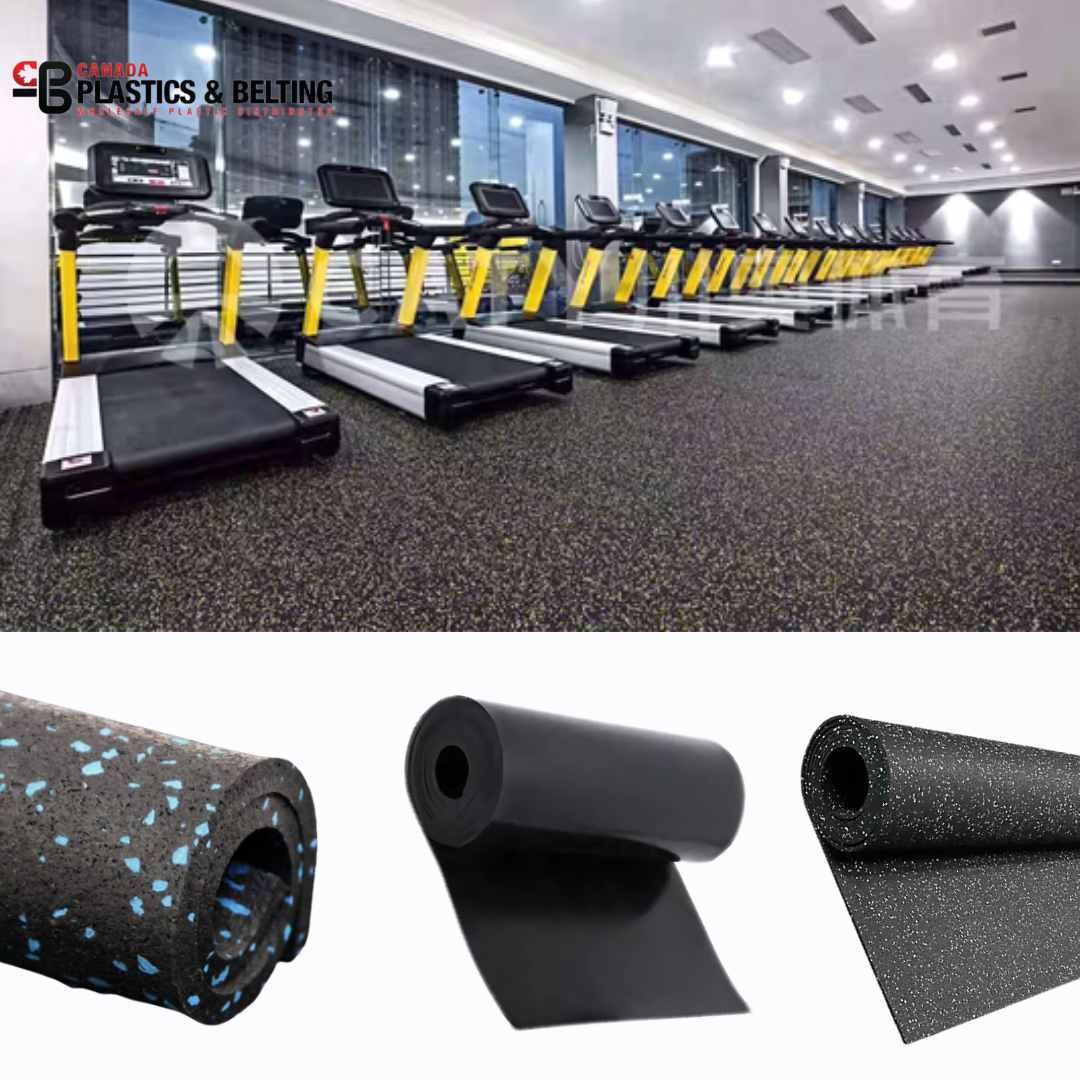
Rubber flooring for gyms is typically sold in rolls, tiles, or mats. The price usually depends on thickness and quality:

  • 6mm rolls: Entry-level, ideal for light gyms and home use
  • 8mm rolls: Mid-range, versatile for home and commercial setups
  • 10mm rolls: Premium option, built for heavy lifting zones and commercial gyms

💰 On average in Canada, gym rubber flooring costs $1.85 – $3.50 per sq. ft. in 2025, depending on thickness and finish (plain black vs speckled).

Home Gym Flooring Costs

Most home gyms range between 200–500 sq. ft. depending on setup location.

  • 200 sq. ft. → approx. $400 – $700 for flooring
  • 500 sq. ft. → approx. $1,000 – $1,750 for flooring

👉 Rubber flooring is affordable for homeowners and provides long-term protection for concrete and subfloors.

Commercial Gym Flooring CostsGym rubber flooring cost
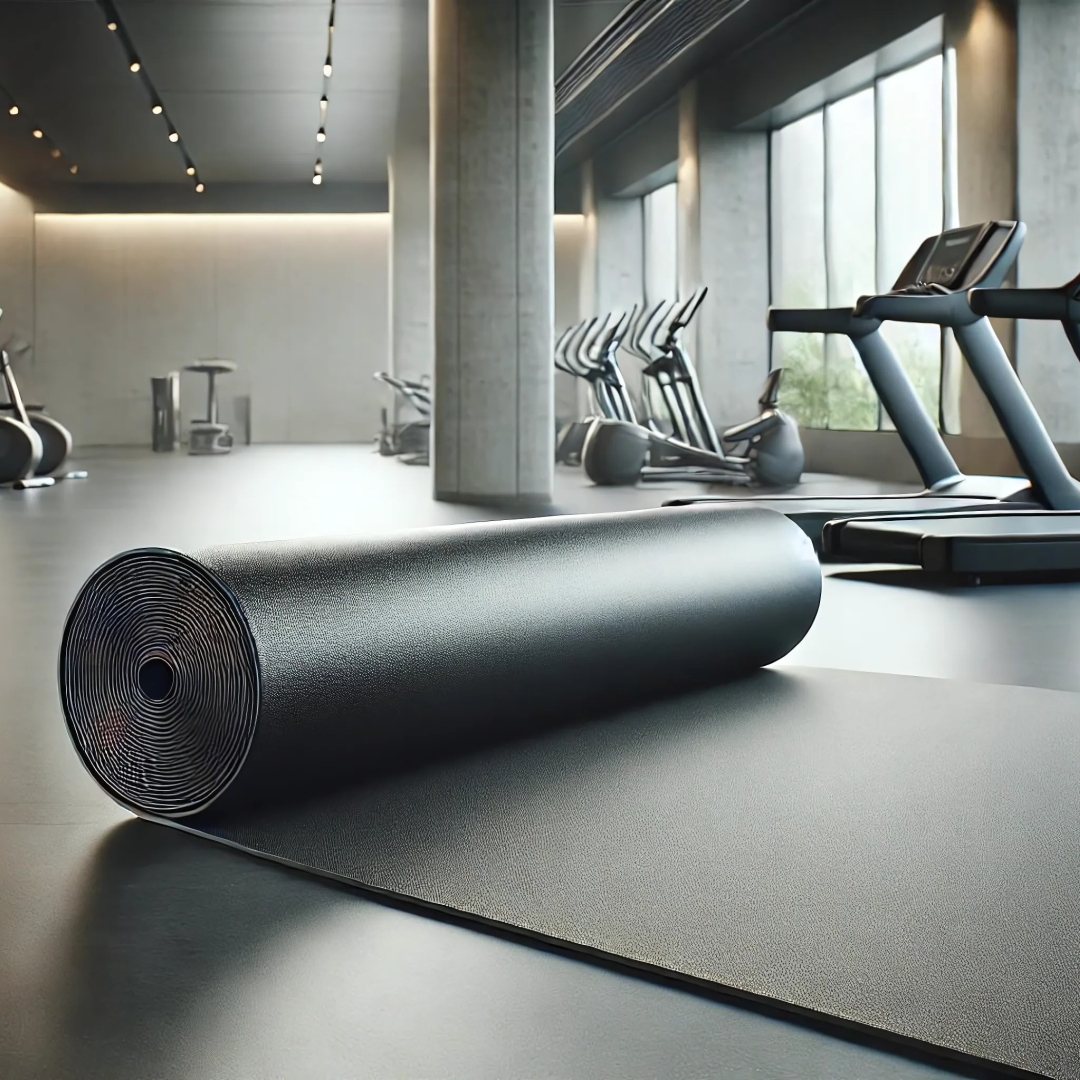
Large gyms span 10,000–30,000 sq. ft., but rubber flooring is typically installed only in:

  • Weightlifting zones
  • Functional training areas
  • Cardio rows

This means coverage is closer to 5,000–12,000 sq. ft.:

  • 5,000 sq. ft. → approx. $11,000 – $17,500
  • 12,000 sq. ft. → approx. $24,000 – $42,000

👉 A realistic budget range most commercial gyms should plan for.

Installation Costs

DIY installation means you’ll only pay for materials. Professional installation adds $1.00 – $2.00 per sq. ft., depending on project size and complexity. For a commercial gym rubber flooring cost, that could mean an additional $5,000 – $20,000 in labor.

Maintenance Costs Over Time

One of the biggest advantages of rubber flooring is low maintenance. Unlike carpet or wood, it doesn’t require expensive upkeep. Basic sweeping, mopping, and occasional deep cleaning are usually enough. Over 5–10 years, maintenance costs are minimal compared to the savings on floor repairs or replacements.

Rubber Flooring vs. Alternatives

  • Carpet tiles: Cheaper upfront but wear out quickly under gym equipment.
  • Vinyl flooring: Good for light activity but lacks impact resistance.
  • Wood flooring: Expensive, high-maintenance, and prone to damage in gyms.

👉 Rubber flooring remains the best value long term thanks to durability and protection.

ROI and Long-Term Value

For gyms, flooring is more than just a cost, it’s an investment. Rubber flooring helps:

  • Protect expensive equipment and subfloors
  • Reduce noise and vibration
  • Improve safety and user experience
  • Last 10+ years with proper care

Over time, the return on investment makes rubber flooring the most cost-effective choice for both home and commercial gyms.

Final Thoughts

In 2025, the cost of gym rubber flooring cost in Canada averages $2.00 – $3.50 per sq. ft., with total project costs ranging from a few hundred dollars for home gyms to $40,000+ for large commercial facilities. Whether you’re building a personal workout space or outfitting a professional gym, rubber flooring delivers the best balance of durability, safety, and long-term value. If you are interested in interior decoration don’t forget to check our Acoustic WPC Wall Panel

👉 Ready to upgrade your gym flooring? Check out our rubber flooring rolls to get started.

Frequently Asked Questions About Gym Rubber Flooring Costs

1. How much does rubber flooring cost per square foot in 2025?
Rubber gym flooring ranges from $2.00 to $4.00 per sq. ft., depending on thickness, style, and supplier.
2. Is rubber flooring worth it for a home gym?
Yes. It provides shock absorption, slip resistance, and durability that protect both equipment and subfloors.
3. What thickness of rubber flooring is best for gyms?
6 mm for light workouts, 8 mm for moderate use, 10 mm for heavy-duty or commercial gyms.
4. Do installation costs affect the price a lot?
Home gyms often DIY install, but commercial gyms hire professionals, adding $1.50–$3.00 per sq. ft.
5. How long does rubber gym flooring last?
With proper care, 8–15 years on average.
6. Is rubber flooring waterproof?
It is water-resistant and great for sweat-prone areas, but seams should be sealed in basements.
7. Does rubber flooring smell?
New rolls may have a temporary smell that fades with ventilation. High-quality, low-VOC products minimize odor.
 

© 2025 Canada Plastics & Belting Inc. | Gym Rubber Flooring Cost in 2025


Categories
Blog

The Complete Guide to Rubber Flooring 2025: Durable Safe and Sustainable Solutions for Every Space

The Ultimate Guide to Rubber Flooring: Durable, Safe, and Sustainable Solutions for Every SpaceRubber Flooring Applications

At Canada Plastics & Belting, we offer high-quality rubber flooring designed for noise reduction, slip resistance, and eco-friendly performance — perfect for gyms, playgrounds, industrial spaces, and more.

What is Rubber Flooring?

Rubber flooring is made from natural or synthetic rubber, creating a tough and resilient surface that is ideal for high traffic areas in both residential and commercial spaces. It is designed to handle heavy loads, constant foot traffic, and the impact of dropped equipment, which is why it is widely used in gyms, schools, industrial workshops, and animal care facilities. One of its biggest advantages is its ability to absorb shocks and vibrations, helping to reduce noise while easing strain on joints during physical activity. This makes it especially useful in workout areas, playgrounds, and any environment where comfort underfoot is important.

Rubber flooring is available in three main formats: puzzle tiles, rolls, and mats. Puzzle tiles are simple to install without the need for adhesives and can be replaced individually if damaged. Rolls offer continuous coverage for large areas, giving a smooth and professional finish. Mats work well for smaller spaces or for placing under gym equipment and workstations. Beyond functionality, rubber flooring is offered in many colors, textures, and thickness options, allowing you to match the look and performance to the needs of your space.

  • Puzzle tiles: 2ft × 2ft, easy to install and replace.
  • Rolls: 4ft × 25ft (cut-to-size) for seamless large-area coverage.
  • Mats: Various sizes, perfect for smaller spaces or overlays.

Why Choose Rubber Flooring? Guide to rubber flooring Benefits

  • Exceptional durability built to withstand heavy use.
  • Excellent traction, even when wet.
  • Noise reduction in busy spaces.
  • Water and stain resistance with easy cleaning.
  • Comfortable cushioning for standing and exercising.
  • Eco-friendly options made from recycled materials.
  • Variety of colors and thicknesses to match any space.

Applications: Where they Works Best

  • Home gyms and fitness centers
  • Playgrounds and daycares
  • Industrial workshops
  • Animal facilities (barns, horse stalls, kennels)
  • Laundry and utility rooms
  • Outdoor areas like patios and garden paths

How to Install Rubber Flooring

  • Prepare the Subfloor
    Clean the surface thoroughly, removing dust, dirt, grease, or debris. Ensure the floor is level, smooth, and completely dry before starting.

  • Measure and Cut
    Roll out the rubber flooring and allow it to relax for sometime so it lays flat. Measure the area, then trim the rolls using a sharp utility knife for a precise fit.

  • Apply Adhesive (if permanent)
    For a permanent installation, lift one side of the roll, spread a suitable rubber flooring adhesive evenly on the subfloor, and press the roll back down. Repeat for the other half, smoothing out air bubbles as you go.

  • Finish and Seal Edges
    Press the flooring firmly into place with a floor roller for a secure bond. If needed, seal edges with matching transition strips for a neat and professional look.

Tip: Always prepare your floor properly before installation for the best results.

Rubber Flooring Compared to Other Flooring Options

Feature Rubber Flooring Vinyl Flooring Cork Flooring
Durability Very durable, long-lasting Moderate durability Softer, less durable
Slip Resistance Excellent, even when wet Moderate Good, but less durable
Noise Absorption Excellent sound dampening Moderate Good
Environmental Impact Includes recycled options Mostly synthetic Natural but fragile
Maintenance Easy to clean, water-resistant Easy to clean Requires more care

Caring for Your Rubber Flooring

  • Sweep or vacuum regularly.
  • Mop with mild soap and warm water.
  • Avoid harsh cleaners and abrasive tools.
  • Use entrance mats to minimize dirt.

Frequently Asked Questions

Is rubber mat safe for children and pets?

Yes, it is non-toxic, slip-resistant, and cushioned for safety.

Can rubber flooring be used outdoors?

No it cannot be used outdoor.

How long does rubber flooring last?

With proper care, it can last 10–15 years or longer.

Why Choose Canada Plastics & Belting?

  • Competitive prices without compromising quality
  • Fast availability, no long pre-order delays
  • Wide range of colors and thicknesses
  • Expert advice from friendly professionals

Contact us today for a free consultation or browse our full range of rubber flooring products.